

The Thrill of Uncertainty
The allure of casino games primarily lies in their inherent unpredictability. Players are often drawn to the excitement that comes with the possibility of winning big, which can activate the brain’s reward system. This anticipation can lead to heightened emotional states, making the gameplay experience exhilarating. Many players seek options that enhance their chances, such as visa fast withdrawal casino features, where the excitement of risk magnifies the pleasure of the experience. The unpredictable nature of games creates an intoxicating atmosphere, where each round feels like a new opportunity to strike it rich.
This phenomenon can be particularly seen in games like poker and blackjack. In these games, skill plays a significant role alongside chance. Players devise strategies while simultaneously grappling with an element of luck, which creates a captivating tension. The mind engages in constant calculations, weighing the potential risks and rewards, creating a psychological environment where players feel empowered yet vulnerable. This duality can be addictive, making players yearn for more and prompting them to return to the tables in hopes of achieving the elusive win that keeps them coming back.
Moreover, the concept of variable rewards deepens the psychological involvement of players. In a casino, the potential for sporadic large wins—rather than consistent smaller payouts—can lead to repeated behaviors as players chase that elusive jackpot. This uncertainty often breeds a kind of hope that can compel individuals to push their limits, believing that the next spin or hand could yield life-changing results. Understanding this psychological aspect is crucial for both players and the industry alike, as it sheds light on the motivations driving individuals to engage with these games on a deeper level.
The Impact of Environment on Play
The physical and sensory environment of a casino plays a significant role in shaping player behavior. The layout of gaming areas, the use of colors, lights, and sounds are meticulously designed to create an atmosphere that entices individuals to play. Casinos often employ bright, flashy lights and upbeat music to enhance the excitement and reinforce the idea that a win is just around the corner. This design philosophy taps into emotional psychology, pulling players deeper into the gaming experience and making it difficult for them to resist the call of the next game.
Furthermore, many casinos utilize a strategy known as “losses disguised as wins.” This technique involves presenting a player who may have lost money with a smaller win amidst their overall losses. This strategy can manipulate emotions, encouraging continued play by fostering a sense of achievement and success. Such psychological tactics can nudge players into rationalizing their losses, igniting the desire to continue playing in hopes of reversing their fortunes. This manipulation of perception creates a complex psychological landscape where players are often unaware of the emotional strings being pulled.
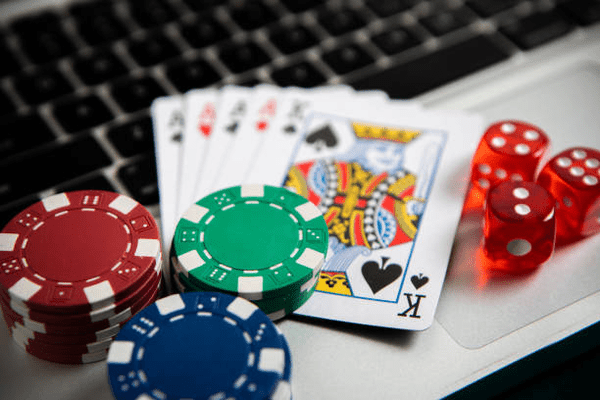
The social aspect of gambling should also not be overlooked. Many individuals are drawn to the camaraderie present in a casino setting. The excitement of sharing a table and experiencing wins or losses as a group can enhance the enjoyment of the games. This social interaction can create a sense of belonging and community, which adds layers to the psychological experience of gaming. The interplay between environment and psychology underscores how the casino design fosters a compelling atmosphere that keeps players returning, as they seek not only financial rewards but also social connection and affirmation.
The Role of Cognitive Biases
Cognitive biases significantly influence how players perceive and engage with casino games. The gambler’s fallacy is a prevalent bias where individuals believe that past outcomes affect future results. A player might think that since a specific number hasn’t come up in a roulette game, it is “due” to appear. This flawed reasoning can lead to betting behaviors that are not grounded in statistical realities, fueling a cycle of loss and continued play as players chase their misconceptions. Such biases can create an illusion of control over the game, leading to persistent engagement despite negative outcomes.
Another common bias is the “illusion of control,” where players believe they can influence the outcome of random events. In skill-based games, players often feel empowered by their strategies, yet even in purely luck-based games like slot machines, they may engage in rituals or specific betting patterns that reinforce their belief in control. This illusion can be comforting and addictive, as the feeling of control provides a psychological buffer against the randomness of chance. The belief that one can influence outcomes can keep players invested in the game, despite the reality of their actual odds.
Furthermore, the sunk cost fallacy—a cognitive bias where individuals continue investing in a losing proposition due to the amount they’ve already spent—can be particularly damaging in gaming contexts. Players may continue to gamble in hopes of recouping previous losses, often leading to substantial financial and emotional distress. Recognizing these cognitive biases is vital for players to make informed decisions and understand the psychological traps that can arise within the casino setting. Awareness of these biases can empower players to break free from detrimental gambling patterns and make healthier choices.
The Emotional Journey of Gamblers
Casino gaming is as much an emotional journey as it is a financial endeavor. Players often experience a rollercoaster of emotions, from exhilaration during wins to frustration and despair during losses. This cycle creates an emotional investment that extends beyond mere entertainment. Understanding this emotional aspect can also reveal why some individuals may struggle with gambling addiction, as the highs associated with wins can create a powerful allure that overshadows the accompanying lows. The emotional intensity of gambling can lead to a profound attachment to the experience, making it hard for individuals to detach from the game.

The thrill of winning can lead to feelings of euphoria, akin to a rush of adrenaline, which further fuels the desire to play. This emotional high can reinforce gambling behavior, as individuals chase the next high, often losing sight of the risks involved. Conversely, the emotional toll of losses can lead to a profound sense of disappointment, guilt, or shame, impacting one’s overall mental health. This emotional dissonance is a crucial aspect of the psychology behind gambling, as players navigate the complex landscape of joy and regret that accompanies their gaming experiences.
Furthermore, the social environment in casinos can amplify these emotional experiences. Friends or fellow players can magnify the highs and lows, creating an environment that fosters both celebration and commiseration. The connections formed in these spaces can provide emotional support but can also lead individuals down a path of shared losses. Understanding the emotional journey that accompanies gambling can help players recognize their feelings and make more mindful choices regarding their gaming behavior, ultimately leading to healthier interactions with gambling.
Understanding Online Gaming Dynamics
The rise of online casinos has transformed how players engage with gambling. The psychological dynamics remain similar, yet the virtual environment presents unique challenges and opportunities. Online platforms often utilize sophisticated algorithms and gamification techniques to keep players engaged. Features like frequent bonuses, loyalty points, and interactive functionalities are designed to create an immersive experience, tapping into the same psychological triggers as traditional casinos. This digital experience can be alluring, as the convenience of gaming from anywhere appeals to a wide audience.
However, the online gaming environment lacks the physical cues and social interactions present in brick-and-mortar establishments. This absence can lead to a different set of psychological challenges. Players may find themselves more susceptible to impulsive gambling due to the ease and accessibility of online platforms. The anonymity of online gambling can further impact behavior, as players may lose a sense of accountability, allowing them to gamble more recklessly. This disconnect from the physical environment can blur the lines between gambling and daily life, making it harder for individuals to recognize problematic behaviors.
Moreover, responsible gambling measures can be challenging to enforce in online environments. The ever-present digital allure of new games and promotions can lead to compulsive behavior, with players often chasing losses without a physical or social constraint to manage their impulses. Balancing technology with responsible gaming practices is an ongoing challenge in the industry, making it essential for players to remain aware of their behaviors and emotions as they engage in online gaming. Players must cultivate self-awareness and implement strategies to mitigate potential risks, ensuring a healthier approach to their gaming experiences.
