

The Allure of Casinos
Casinos have long been a source of entertainment and excitement, drawing millions of visitors eager to try their luck. The bright lights, the sounds of spinning machines, and the atmosphere of anticipation create an enticing environment. However, while the thrill of winning can be intoxicating, many overlook the hidden costs associated with frequent visits to these establishments and discovering new betting sites can offer alternatives that may mitigate these expenses. Understanding these costs can help individuals make informed decisions about their gambling habits.
Beyond just the money spent on games, the emotional and psychological factors at play can significantly impact a person’s overall well-being. Frequent visitors may experience highs and lows similar to other forms of gambling or risk-taking behaviors. This constant fluctuation can lead to a rollercoaster of emotions and possibly an unhealthy relationship with gambling, which is often underestimated.
Moreover, the social aspects of visiting a casino can also lead to unforeseen expenses. Many people visit casinos as a group, which can result in spending more than planned due to social pressure or the desire to keep up with friends. As a result, while the casino may promise entertainment, it often comes at a steeper cost than initially anticipated.
Financial Implications
The most apparent cost of frequent casino visits is monetary. Patrons often enter these venues with a set budget, yet the thrill of the game can lead to exceeding that limit. Gambling addiction can manifest quickly, causing players to chase losses and spend beyond what they can afford. This can result in significant financial strain on individuals and families, leading to debt and other issues.
Many casinos offer enticing promotions and loyalty programs designed to encourage repeat visits and spending. While these offers might seem attractive, they often require players to spend considerable amounts to reap any substantial rewards. Over time, the cost of chasing these incentives can add up, leading to a false sense of value where patrons think they are winning when, in reality, they are simply spending more.
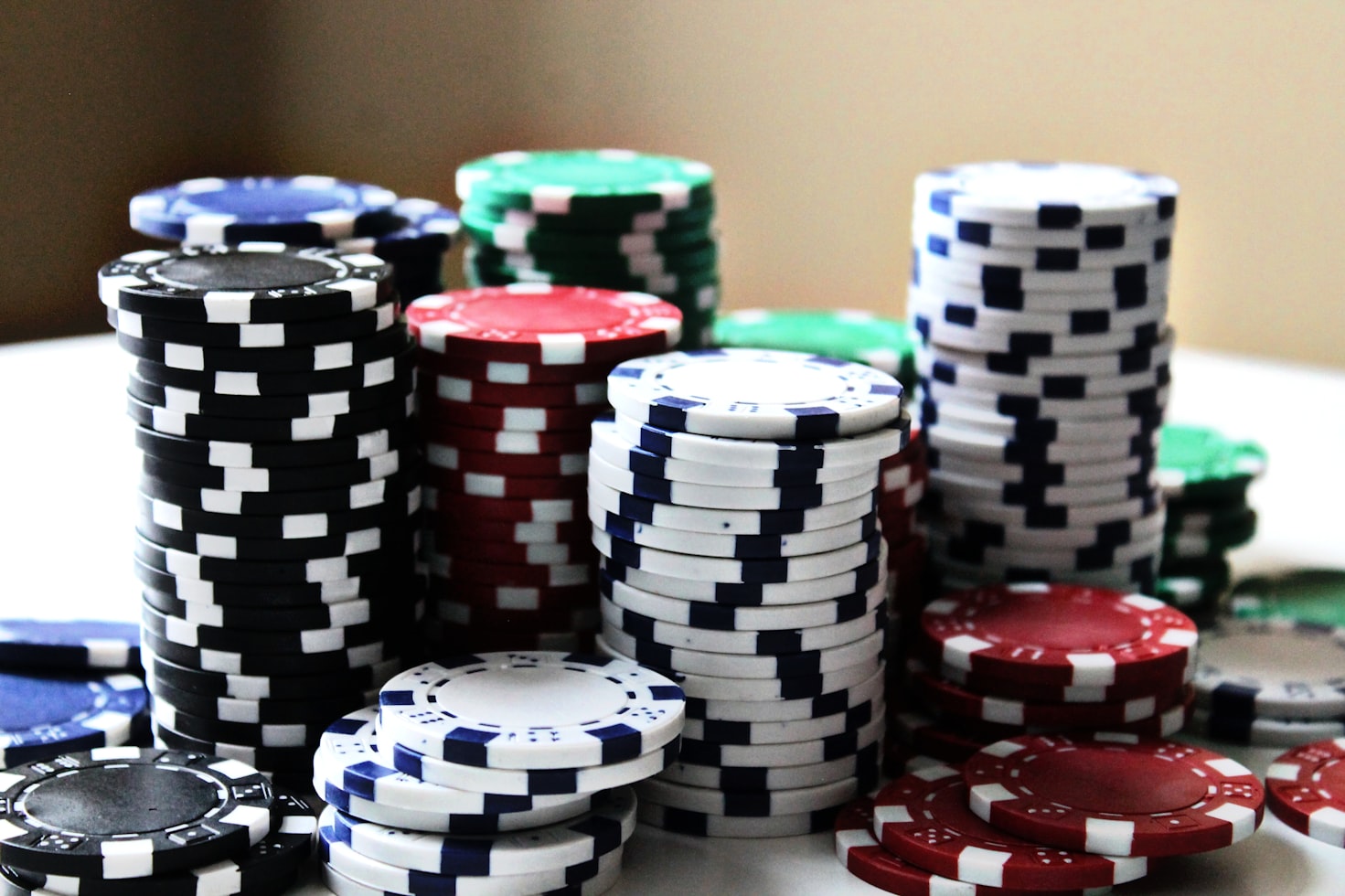
Additionally, it’s essential to consider the often-ignored costs related to transportation and accommodations. Regular visitors may find themselves spending money on gas, parking fees, or even hotel stays. These expenses, coupled with gambling losses, can create a perfect storm of financial repercussions that extend far beyond the gaming table and into everyday life.
The Impact on Relationships
Frequent casino visits can have a profound impact on personal relationships. Partners and family members may feel neglected as one individual becomes consumed by the thrill of gambling. The time spent at the casino can lead to missed family events and important obligations, breeding resentment and communication breakdowns between loved ones. This shift in priorities can result in strained relationships that may take time to heal.
Moreover, the financial strain that often accompanies regular casino visits can lead to further tension within a household. Disagreements about money management or priorities can create rifts that are difficult to mend. When one partner becomes preoccupied with gambling, it can lead to feelings of betrayal and mistrust, significantly damaging the foundation of a relationship.
In many cases, the cycle of gambling can also foster isolation. Individuals might find themselves withdrawing from social settings or turning away from friends who do not share their interest in gambling. This narrowing of social circles can exacerbate feelings of loneliness and lead to deeper issues like depression or anxiety, compounding the original risks associated with frequent casino visits.
Health Risks Associated with Gambling
While the financial implications and relationship strains are significant, the health risks tied to frequent casino visits are equally alarming. Continuous gambling can lead to various mental health issues, including anxiety, depression, and stress-related disorders. The anticipation of a win, followed by potential losses, can be emotionally exhausting and lead to a cycle of despair.

Furthermore, the physical health effects of frequent casino visits should not be ignored. Long hours spent gambling can result in poor dietary choices, lack of physical activity, and disrupted sleep patterns. Many casino-goers may resort to unhealthy snacks and beverages, blurring the lines between entertainment and self-care. Over time, such habits can lead to weight gain and other health-related complications.
Additionally, the environment of a casino itself can contribute to health issues. High-energy atmospheres filled with flashing lights and loud noises can increase stress levels, making it difficult for individuals to unwind. This constant stimulation may lead to burnout and fatigue, impacting overall well-being and further perpetuating unhealthy gambling behaviors.
Understanding the True Cost of Casino Visits
When considering frequent casino visits, it’s essential to have a clear understanding of the true cost involved. This includes not only the money spent but also the time, emotional investment, and potential long-term effects on relationships and health. Awareness of these hidden costs can empower individuals to engage in responsible gambling practices and establish boundaries that prevent adverse outcomes.
For those who still choose to indulge in casino entertainment, setting strict budgets and time limits is crucial. Engaging with gambling as a form of entertainment rather than a source of income can help mitigate some of the risks associated with frequent visits. Moreover, seeking out support groups or counseling can provide valuable resources for those struggling with gambling-related issues.
In sum, while casinos can offer excitement and fun, it is vital to approach them with caution. By understanding the hidden costs and recognizing the risks, individuals can make informed decisions that promote both enjoyment and responsibility. Through proactive measures, the potential for negative consequences can be minimized, allowing for a healthier relationship with gambling.
